24 August 2026
Share:



When You Have to Leave: Helping Your Pet Through Separation
A business trip, vacation, or unexpected journey may be a normal part of our lives. But for a beloved pet, their person’s absence can become a deeply emotional experience.
Dogs do not understand why we are packing a suitcase, where we are going, or when we will return. They only notice that something at home is changing—and that the person who makes them feel safest is suddenly gone.
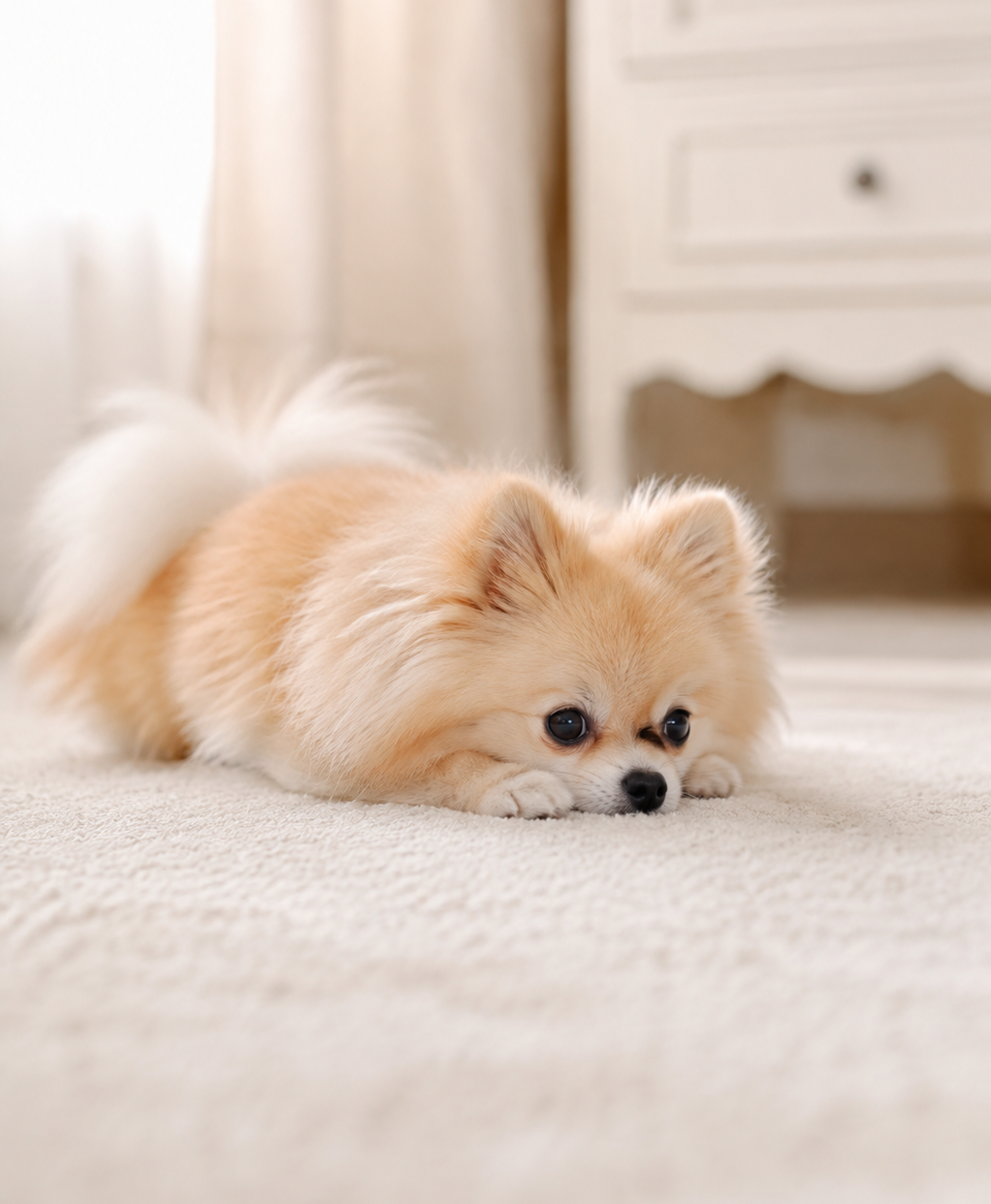
Dogs truly miss us. They may become quiet, lose their appetite, whine, cry, sleep poorly, wait by the door, or follow their temporary caregiver everywhere. This is not bad behavior or an attempt to seek attention. It is simply how a dog may experience separation.
That is why, before leaving, we should prepare not only our suitcase—but also our dog’s tender little heart.
Leave Your Pet with Someone Loving
Your dog needs more than someone who will fill the food bowl and provide daily walks. They need a patient, gentle, and understanding person they already trust.
If you are using a new pet sitter, introduce them in advance. Let them meet several times, take a walk together, or play while you are still nearby. A familiar face, voice, and scent can make the transition much easier.
Keep Life Familiar
A consistent routine helps a dog feel safe. Try to maintain their usual schedule for meals, walks, playtime, and sleep.
Leave clear instructions about what your pet eats, where they like to sleep, what frightens them, which commands they understand, and whether they take any medication.
Whenever possible, allow your dog to stay in their own home. If they must stay elsewhere, bring their bed, bowls, blanket, and favorite toys. Familiar belongings can create a little piece of home in an unfamiliar place.
Leave a Little Piece of Yourself
A T-shirt, sweater, or small blanket carrying your scent may comfort your dog. Place it near their bed, provided they are not likely to chew or swallow the fabric.
To us, it may be just an item of clothing. To our pets, it carries the familiar scent of the person beside whom they have always felt safe.
Say Goodbye Calmly
Before leaving, take your dog for a good walk and allow them to play and relax. Say goodbye with affection, but try to avoid tears, prolonged embraces, or repeatedly returning to the door.
Our pets sense our emotions very deeply. If we appear extremely anxious, they may feel that something frightening is happening. A calm departure helps them understand that your absence is temporary and that they are safe.
Never Punish a Dog for Feeling Sad
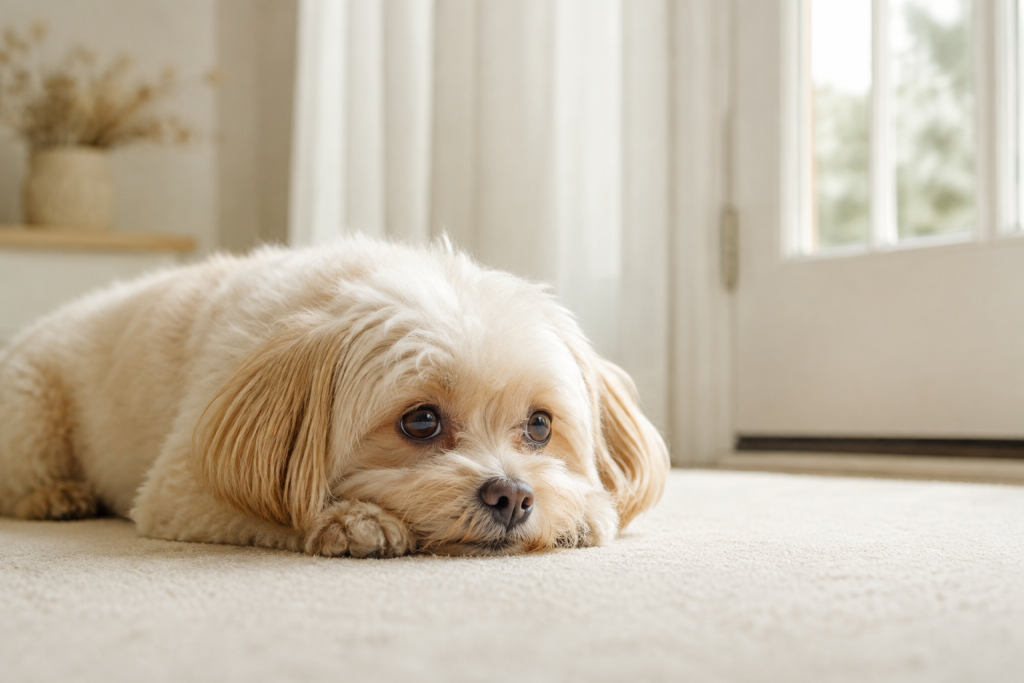
During your absence, your pet may whine, become restless, lose their appetite, or damage something in the home. This is not revenge or disobedience. Your dog is simply coping with the absence of someone they love.
What they need most is patience, a gentle voice, affection, and calm companionship. Walks, familiar games, treat-search activities, and favorite toys can help. At the same time, avoid overwhelming them with too many new people, places, and experiences.
Ask for Regular Updates
Arrange to receive photographs and short messages about how your dog is eating, sleeping, and behaving. These little updates can bring great comfort when you are far away.
Video calls are not helpful for every dog. Some are soothed by hearing their person’s voice, while others become more anxious and begin searching around the house. Always pay attention to your own pet’s reaction.
Prepare for the Unexpected
Leave the contact details of your veterinarian, information about medications and allergies, and the number of a trusted person who can help in an emergency.
If your dog refuses food completely, becomes unusually weak, cries continuously, vomits, or has diarrhea, do not assume that sadness is the only cause. The caregiver should contact a veterinarian.
Return with Warmth
Reunions can be very emotional. Your dog may jump, whine, race around the room, or refuse to leave your side.
Greet them lovingly but calmly. Spend time together, take a walk, and gradually return to your normal routine. Do not be surprised if your pet follows you everywhere for the next few days. They are simply reassuring themselves that you are truly home and that their little world is safe again.
We know the date of our return. Our pets do not.
That is why, when we leave, we must give them what matters most: a familiar home, a comforting routine, and loving people who will help them wait.
Let every day of your absence quietly remind your pet:
“You are not alone. You are loved. You are safe. Your person will come home.”
With love for those who are always waiting for us,
MiMOZA Pet Boutique