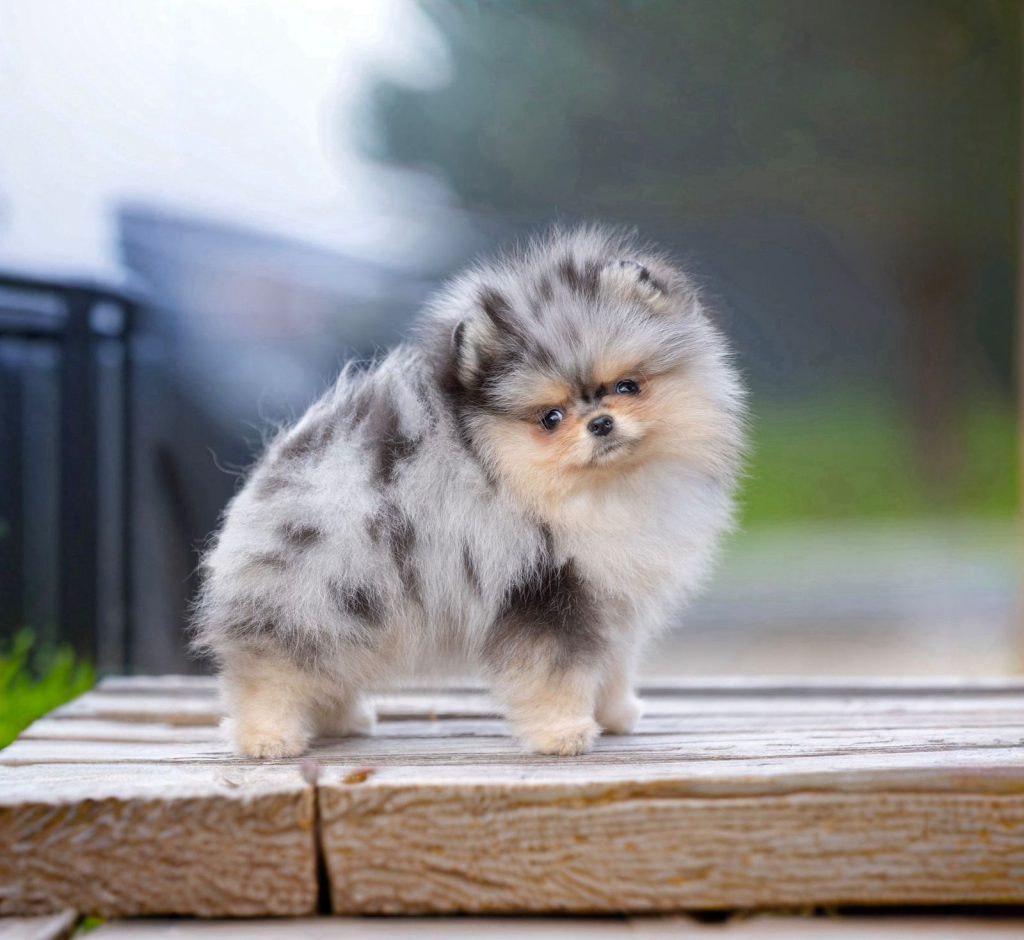
What Does “Purebred” Mean?
The term “purebred” means a dog comes from parents of the same breed — generation after generation. Therefore, such dogs show predictable traits, both in appearance and behavior. Breeders follow a strict breed standard that defines ideal size, coat, temperament, movement, and more. Organizations like the American Kennel Club (AKC) and Fédération Cynologique Internationale (FCI) set these standards depending on the country.
Why Is There So Much Confusion?
Many people believe that a dog with papers or a certain look is automatically purebred. However, others use the term loosely to describe dogs that “look like” a breed, even without proper pedigree. Specifically, a true purebred dog has documented lineage. Both parents and grandparents must belong to the same recognized breed in official registries.
Why Does This Matter for Breeders?
For breeders — especially those who show dogs — this distinction is crucial. Dog shows are more than competitions; in fact, they help preserve and improve breeds. Breeders select dogs that meet the breed standard in appearance, movement, posture, coat texture, and behavior. A well-bred dog knows how to “show” itself — moving and standing confidently, reflecting its breed’s character. Thus, this “breed type” defines quality and purpose in responsible breeding.
Marketing and Mixed Messages
Confusion also comes from marketing. Some commercial breeders use the word purebred loosely, without adhering to any official standard. Moreover, designer breeds and crossbreeds have become popular, adding to uncertainty. Additionally, people’s emotional bonds with their pets make it hard to hear that their dog may not fit strict registry definitions.
The True Value of Ethical Breeding
Ethical breeders invest years in raising healthy, well-tempered, and structurally sound dogs. For them, purebred carries meaning beyond looks. It represents history, precision, care, and a commitment to quality. Therefore, understanding what purebred truly means helps buyers make informed choices.
Warmly,
Jenya Alexander
Coach – Therapist | Small Dog Breed Specialist | Owner of a Boutique Dog Agency