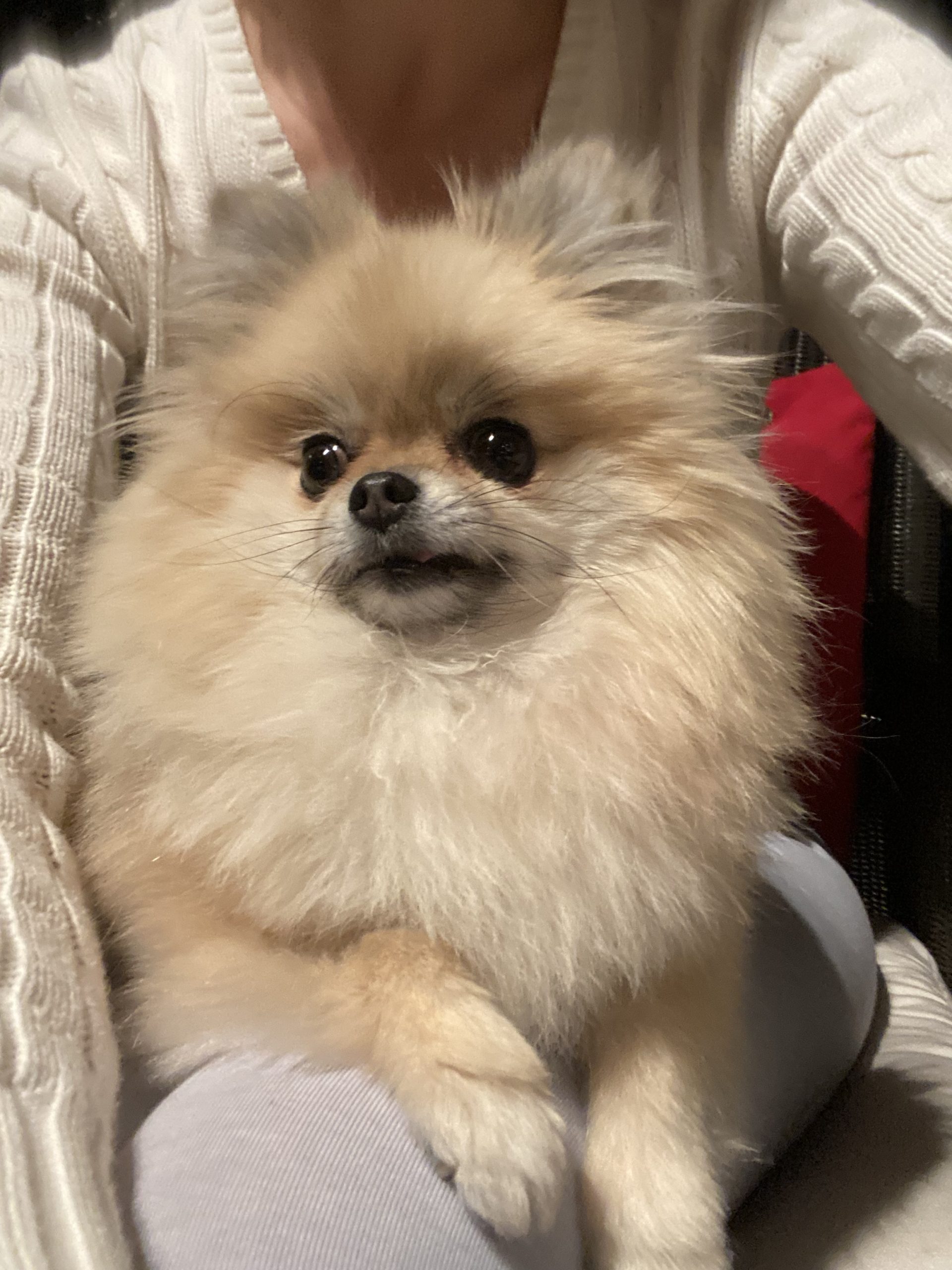
Pomeranians can provide wonderful emotional support. However, it’s important to be aware of their tendencies towards excitement and anxiety. Teaching them self-control can be beneficial for their overall well-being.

Here are some tips for helping your Pomeranian develop self-control:

  • Set consistent boundaries: Establish clear rules and boundaries for your Pomeranian. This includes behaviours such as not jumping on people, waiting patiently for meals, and not demanding attention excessively. Consistency is key in reinforcing these boundaries.
  • Positive reinforcement training: Utilize positive reinforcement techniques to encourage and reward desired behaviours. When your Pomeranian demonstrates self-control, such as remaining calm in a stimulating situation, provide verbal praise, treats, or playtime as a reward. This helps reinforce the behavior and motivates them to continue practicing self-control.
  • Gradual exposure to stimuli: If your Pomeranian tends to become overly excited or anxious in certain situations, such as meeting new people or encountering other dogs, gradually expose them to these stimuli in controlled and positive ways. Start with less overwhelming scenarios and gradually increase the intensity as they become more comfortable and exhibit self-control.
  • Mental stimulation: Engage your Pomeranian in mentally stimulating activities, such as puzzle toys, obedience training, or interactive games. These activities help redirect their energy and provide an outlet for their natural curiosity and intelligence. Mental stimulation can also help reduce anxiety and promote focus and self-control.
  • Calm and structured environment: Create a calm and structured environment at home. Establish a routine for feeding, exercise, playtime, and rest, as this can help reduce anxiety and provide a sense of security for your Pomeranian. Minimize chaotic or high-stress situations whenever possible.
  • Remember, each Pomeranian is unique, so it’s essential to observe and understand your dog’s specific needs and triggers. If you’re struggling with training or your Pomeranian’s anxiety levels, consider consulting with a professional dog trainer or a veterinary behaviourist who can provide personalized guidance and support.
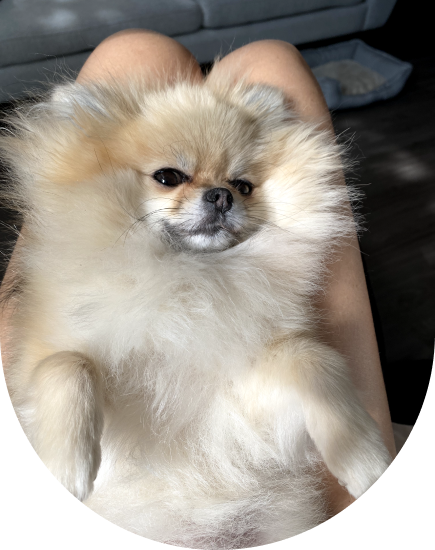
Good news, Pomeranians are eager to learn and please their owners! Consistency and positive reinforcement are key when training your Pomeranian for good behaviours.

Here are some additional tips to continue educating your puppy:

  • Basic commands: Teach your Pomeranian basic commands such as “sit,” “stay,” “come,” and “down.” Use positive reinforcement techniques like treats, praise, and rewards to encourage and reinforce their understanding and compliance with these commands. Practice these commands in different environments and gradually increase distractions to help your Pomeranian generalize the behaviors.
  • House training: Pomeranians can be trained to use pee pads or designated areas for toileting. Establish a consistent routine for bathroom breaks and reward your puppy when they use the appropriate area. Be patient during the house training process, as accidents may happen initially. Consistency, supervision, and positive reinforcement will help your Pomeranian understand the desired behavior.
  • Socialization: Expose your Pomeranian to various people, animals, and environments from an early age to help them become well-adjusted and confident. Gradually introduce them to different experiences, such as meeting new people and dogs, exploring new environments, and encountering different sights and sounds. This exposure will help prevent fear or aggression towards unfamiliar situations and promote positive social behaviors.
  • Proper chewing habits: Pomeranians, like all dogs, have a natural inclination to chew. Provide appropriate chew toys and discourage chewing on household items by redirecting their attention to the toys. Supervise your puppy during playtime to ensure they don’t chew on inappropriate objects. If you catch your Pomeranian chewing on something they shouldn’t, redirect them to a suitable chew toy and provide positive reinforcement when they engage with it.
  • Ongoing training and mental stimulation: Pomeranians thrive on mental stimulation. Continue to provide opportunities for learning and engagement throughout their lives. Incorporate interactive toys, puzzle games, and obedience training sessions to keep their minds active. Ongoing training sessions can reinforce good behaviors and introduce new commands or tricks, keeping your Pomeranian mentally stimulated and engaged.
  • Remember, training takes time, patience, and consistency. Celebrate your puppy’s successes, and be understanding if they make mistakes along the way. By providing a loving and structured environment and continuing their education, you’re setting your Pomeranian up for a lifetime of good behavior and a strong bond with you as their owner.

Dog training is beneficial not only for the dog but also for the owner. A well-behaved dog can make life more enjoyable and easier for both you and your pet.

Here are some points to consider when seeking a dog trainer:

  • Find a professional dog trainer: Look for a reputable and experienced dog trainer in your area. You can ask for recommendations from friends, family, or your local veterinarian. It’s important to choose someone who uses positive reinforcement techniques and has a good understanding of dog behavior.
  • Owner involvement: A good dog trainer understands that training is as much about teaching the owner as it is about training the dog. The trainer will guide you on how to effectively communicate with your dog, establish boundaries, and reinforce desired behaviors. They will help you understand the balance between showing love and providing necessary control to foster a healthy relationship with your dog.
  • Take lessons: Enroll in a couple of training sessions with the trainer to learn the proper techniques and methods for training your dog. These sessions may be one-on-one or group classes, depending on your preference and the trainer’s offerings. Attending lessons will help you understand the training process, gain hands-on experience, and receive guidance specific to your dog’s needs.
  • Remember that consistency and patience are key when training your dog. It takes time for them to learn new behaviors and habits, so be consistent with your training methods and reinforce positive behaviors. Celebrate small victories and be patient with any setbacks. With the right guidance from a dog trainer and your commitment as an owner, you’ll be on your way to having a well-behaved and happy companion.

Here are some tips for home care based on specific areas:

Eyes: Cleaning your Pomeranian’s eyes daily with a special wipe and liquid is a good practice. This helps prevent the build-up of tear stains and keeps the area around the eyes clean. It’s important to use products specifically formulated for dogs and avoid getting any liquid or wipe directly into the eyes. If you notice any excessive tearing, redness, or discharge from the eyes, it’s advisable to consult with a veterinarian.

Legs: Pomeranians have relatively short and delicate legs, so it’s important to be mindful of their limitations. Avoid allowing them to jump from heights that could potentially injure their legs. Provide ramps or steps to help them access elevated surfaces, such as furniture or beds. This helps prevent unnecessary strain on their joints and reduces the risk of accidents or injuries.

Hair coat: Regular grooming is essential for maintaining a healthy and beautiful coat on your Pomeranian. Brushing your dog daily helps prevent matting and tangles, especially considering their long hair. Using a dry shampoo occasionally can help freshen up the coat between baths. When brushing, you can also use a dog-specific deodorant to keep their coat smelling pleasant. It’s important to choose grooming products that are safe and suitable for dogs to avoid any skin irritations or allergies.

Visiting a professional groomer every two months is a good frequency to maintain your Pomeranian’s coat. The groomer can help trim and shape the hair, remove any mats or tangles, and provide a thorough grooming session. They can also provide additional advice and guidance on home care specific to your dog’s coat type and grooming needs.

By following these home care tips, you can ensure that Pom’s eyes, legs, and coat are well-maintained, promoting them overall health and well-being. Regular grooming and attention to specific areas will help keep comfortable and looking best.