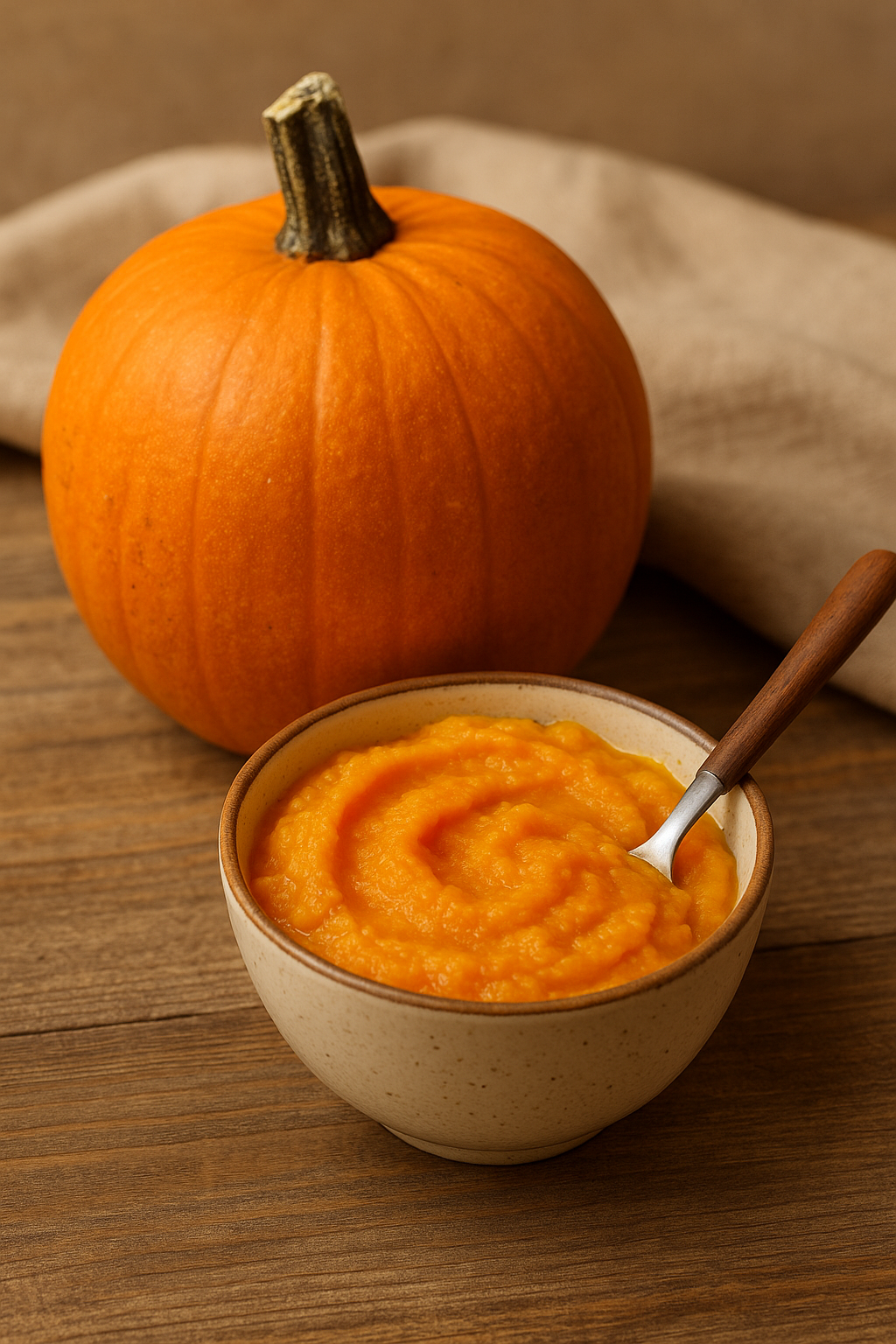
The Golden Power of Autumn in Your Pet’s Bowl.

There’s something special about autumn —
the cooler air, the golden light, the smell of roasted pumpkin.
At MiMOZA Pet Boutique, we call this time pumpkin season,
because pumpkin isn’t just a pretty decoration.
It’s a gentle, healthy treat from nature —
and your furry friend will absolutely love it.

🎃 Why Pumpkin Matters

Pumpkin is one of those foods that’s both tasty and super good for your pet.
It helps the digestive system (GI tract), keeps the tummy happy,
and even helps clear out toxins in a natural way.

It’s full of fibervitamin Avitamin E, and potassium —
all the good stuff that supports digestion, skin, and coat.
Even a few spoonfuls of cooked pumpkin a week
can help small dogs feel lighter and more comfortable,
especially when the weather changes.

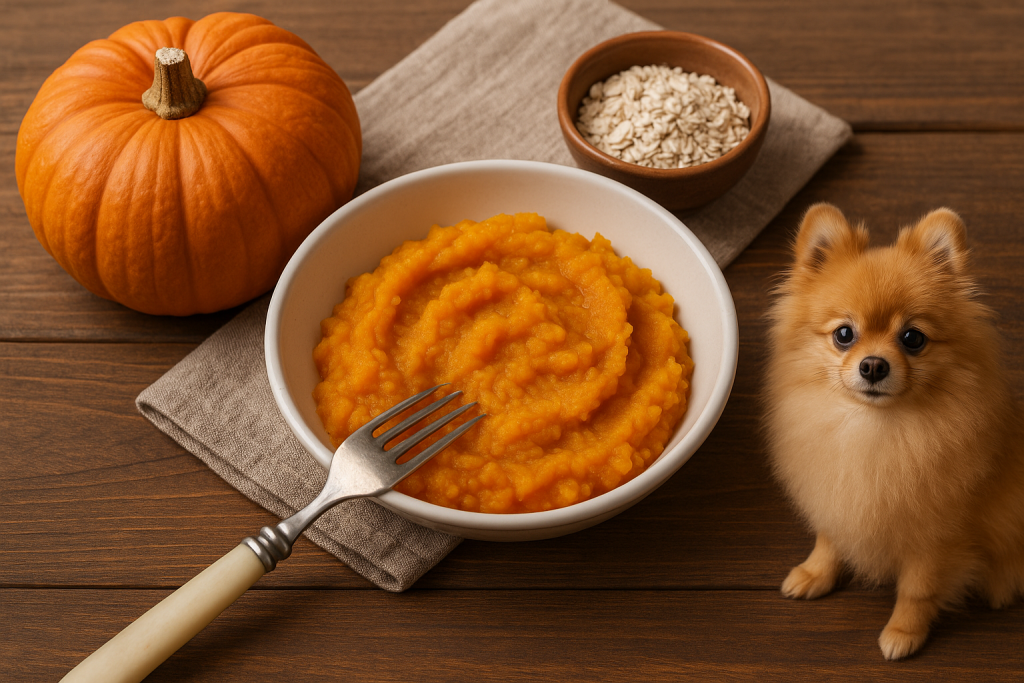
🍚 Simple Pumpkin Recipe for Small Dogs

A cozy autumn favorite that’s creamy, soft, and easy to make.

You’ll need:

  • ½ small pumpkin (Sugar Pumpkin or Hokkaido)
  • 1 tsp oatmeal or rice (optional)
  • a few drops of warm water or unsalted bone broth

How to make it:

  1. Cut the pumpkin, scoop out the seeds.
  2. Bake at 350°F (180°C) for about 30–40 minutes.
  3. Peel and mash into a smooth purée.
  4. Add a little oatmeal or rice if you like.
  5. Let it cool completely before serving.

Serving tip:
Tiny dogs (up to 4 lbs) — 1–2 teaspoons, up to 3 times a week.
Medium dogs — 2–3 tablespoons.
Large dogs — about ¼ cup.

❄️ Freeze It for Later

Once cooked, you can divide the pumpkin into small silicone molds
or ice cube trays and freeze.
That way, you always have a quick, healthy meal ready.
Just thaw one cube, mash it with a fork,
add a little warm water — and voilà!
Fresh autumn magic in seconds.

🌿 A Gentle Touch of Nature

Pumpkin brings warmth, calm, and comfort —
the very feeling of autumn in a bowl.
When we feed with love, it’s not just food —
it’s energy, balance, and care.

If you liked this recipe, stay tuned for our upcoming book
“Recipes for Pets — by MiMOZA Pet Boutique”,
where we’ll share more simple, heartwarming dishes
for small dogs and their humans —
recipes made with love, joy, and a touch of everyday magic.
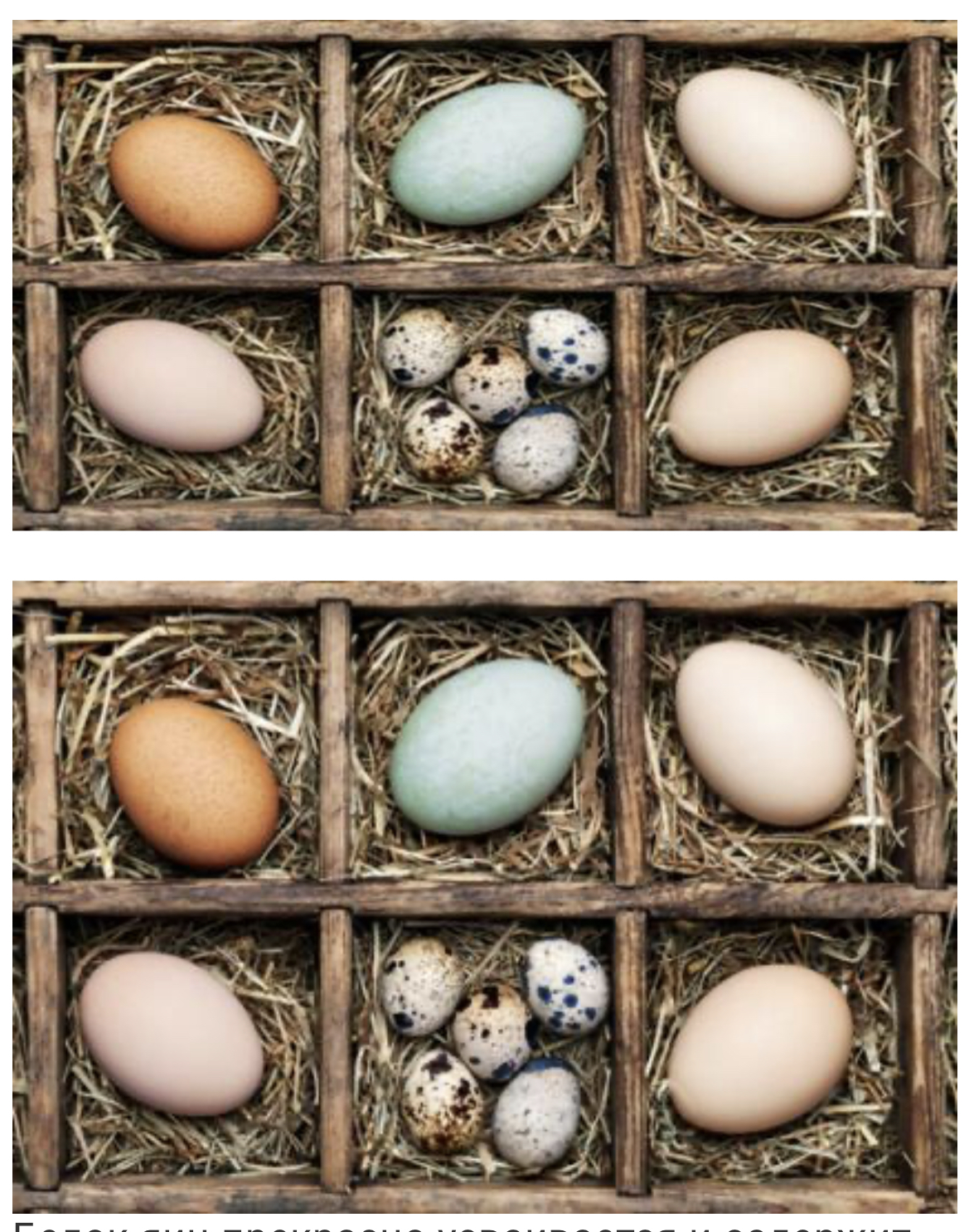
Eggs can be given to small breed dogs, but it is important to moderate the amount and monitor the animal’s reaction. Eggs are a good source of protein and contain many beneficial vitamins and minerals, including B vitamins, iron, and selenium.

However, there are several considerations when introducing eggs into the diet of small breed dogs:

  • Quantity: Small doses are sufficient for small breeds. For example, quail eggs are better suited as they are smaller than chicken eggs and less likely to cause allergies.
  • Preparation method: Raw eggs may contain salmonella, so it is preferable to give cooked eggs. Raw eggs can be included in the diet only if they are of high quality and from a reliable source.
  • Frequency: Eggs should not be given too often; once or twice a week is sufficient to maintain health and prevent overconsumption.
  • Monitoring reactions: It is important to watch for the dog’s reaction to a new food item in the diet, especially for possible allergic reactions such as itching, skin redness, or digestive upset.

With the right approach and adherence to these recommendations, eggs can safely be included in the diet of small breed dogs, enriching it with essential nutrients. Eggshell is allowed for dogs and can be beneficial as it is a source of calcium, which is necessary for bone and tooth health. However, it is important to properly prepare the shell before including it in your dog’s diet.

How to properly prepare eggshell:

  • Thoroughly wash: Initially, wash the shell under running water to remove any remaining egg white and potential bacteria.
  • Dry: The shell should be dried. This can be done naturally in the air or in an oven at low temperature.
  • Grind: After drying, the shell should be ground to a powder-like consistency. A coffee grinder, blender, or mortar and pestle can be used to achieve the desired consistency.
  • Bake (optional): For additional disinfection, you can bake the shell in the oven for about 10 minutes at a temperature of about 200 degrees Celsius (392 degrees Fahrenheit). This can help destroy potential bacteria.
  • Storage: Store the ground shell in a closed container in a dry place.

How to use ground eggshell:

  • Add to food: Ground eggshell can be added to your dog’s food. A small amount, such as a teaspoon per feeding, depending on the size and needs of the dog, is sufficient.
  • Use as a calcium supplement: This is particularly useful for dogs on a homemade diet who need additional calcium to maintain bone and tooth health.
  • Introduce gradually: Start with small doses and observe the dog’s reaction. Some dogs may have sensitivities or allergies to components of the shell.
  • Consult a veterinarian: Before including eggshell in your dog’s diet, especially if they have health issues or specific dietary requirements, it is advisable to consult a veterinarian.

Thus, eggshell can be a useful and safe source of calcium for your dog if it is properly prepared and used.

Choosing the right dog food is crucial for the overall health and well-being of your Pomeranian.

Here are some tips to consider when selecting dog food:

  • Nutritional needs: Pomeranians have specific nutritional requirements based on their age, size, and activity level. It’s important to choose a dog food that is appropriate for small breeds and meets the nutritional guidelines established by veterinary associations. Look for dog foods labeled as “complete and balanced” to ensure they provide the necessary nutrients.
  • Quality ingredients: Read the ingredient list on the dog food packaging. Look for high-quality protein sources (such as chicken, beef, or fish) listed at the top of the ingredient list. Avoid dog foods that contain excessive fillers, artificial additives, and by-products.
  • Life stage considerations: Pomeranians have different nutritional needs throughout their life stages, including puppyhood, adulthood, and senior years. Choose a dog food that is specifically formulated for your Pomeranian’s life stage to ensure they receive the appropriate balance of nutrients.
  • Consider specific dietary needs: Some Pomeranians may have specific dietary needs or sensitivities. If your dog has any allergies or sensitivities, consult with your veterinarian to determine if a specialized diet is necessary. They can recommend appropriate options, such as grain-free or hypoallergenic formulas.
  • Feeding guidelines: Follow the feeding guidelines provided on the dog food packaging. Adjust the amount based on your Pomeranian’s age, weight, and activity level. Regularly monitor your dog’s weight and body condition to ensure they are maintaining a healthy weight.
  • Transition gradually: When switching to a new dog food, do so gradually over the course of several days. This helps prevent digestive upset. Start by mixing a small amount of the new food with the old food, gradually increasing the proportion of the new food until the transition is complete.
  • Consult your veterinarian: If you have any concerns or questions about your Pomeranian’s dietary needs, consult with your veterinarian. They can provide personalized recommendations based on your dog’s specific needs.


Remember, maintaining a balanced and nutritious diet is key to your Pomeranian’s overall health. By choosing high-quality dog food and considering their specific needs, you can help ensure they receive the nutrition they require for a happy and healthy life.