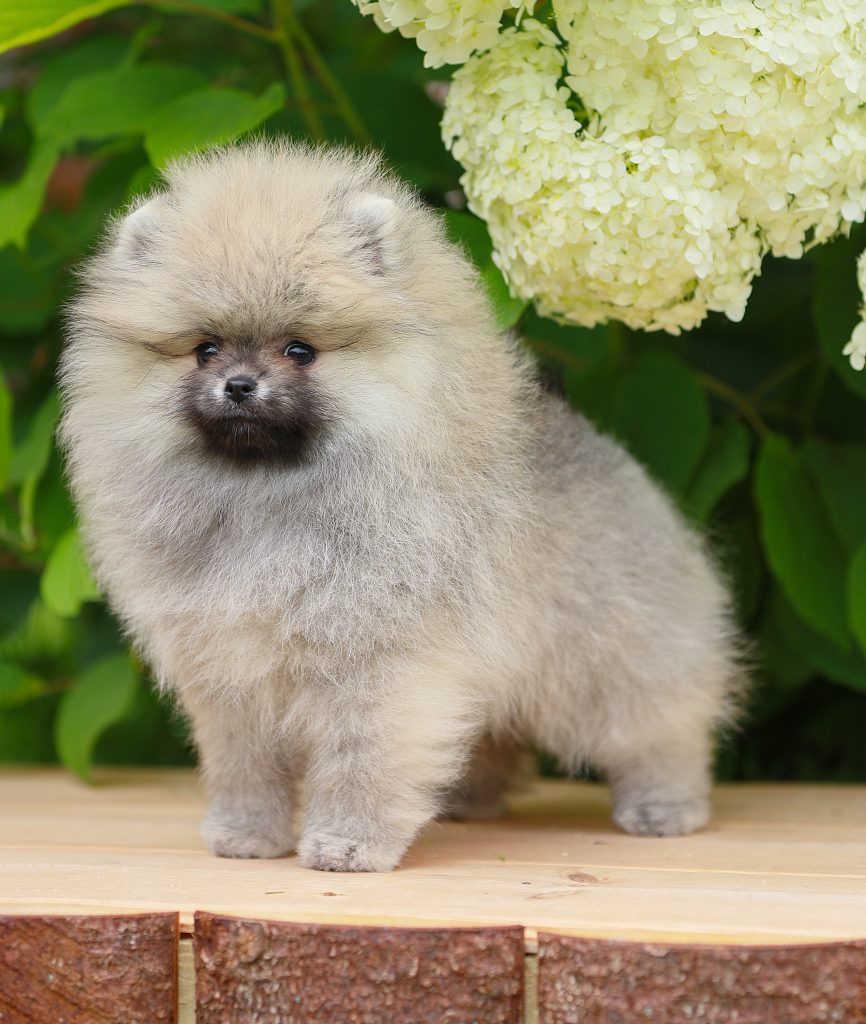
2 months old

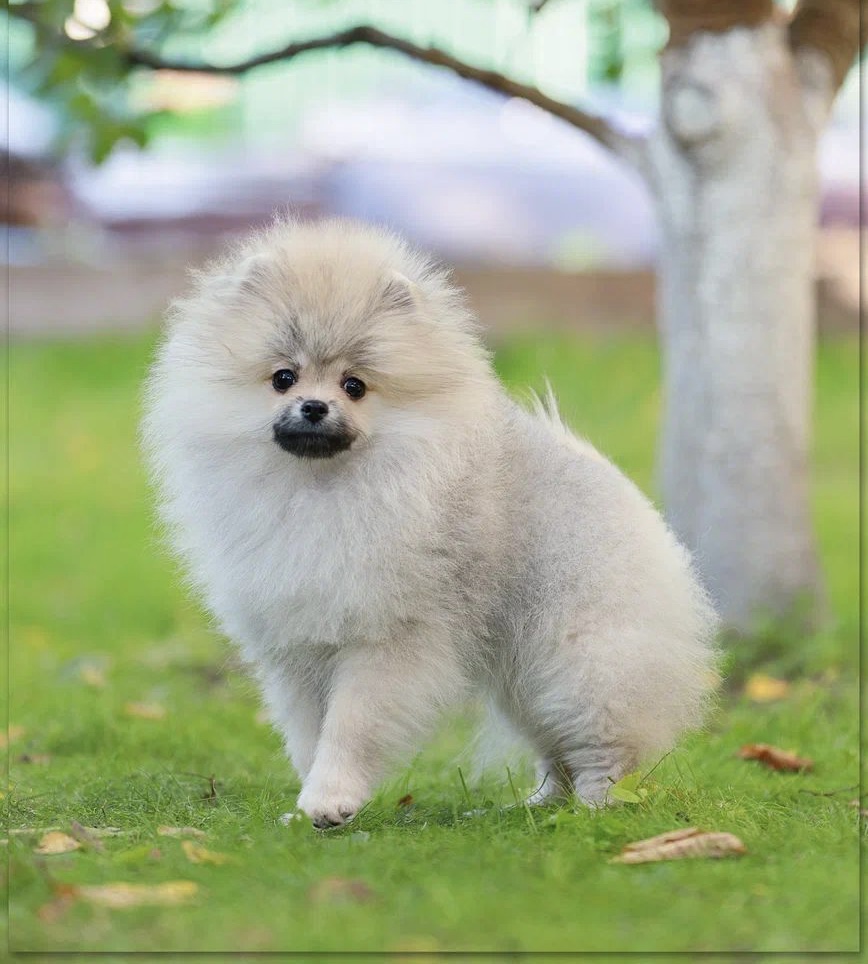
6 months old

Newborn Pomeranian puppies enter the world with a deceivingly smooth coat. However, as they grow and mature, their fur undergoes a remarkable transformation. By the time these puppies reach eight weeks of age, they typically resemble adorable balls of fluff.
The soft, initial puppy coat eventually gives way to the emergence of the adult coat, usually between 3 to 6 months of age, a phase commonly referred to as the “Pomeranian puppy ugly stage.” During this transition, it’s important to note that the puppy’s fur may appear somewhat irregular, with patches and a slightly shaggy appearance.
This process explains why some Pomeranian puppies may possess finer, thinner, and shorter coats compared to their fully grown counterparts. When we mention Pomeranian puppy shedding, it actually pertains to the transitional period from puppy to adult coat, characterized by the puppy’s ‘ugly’ phase.
While some of the puppy’s fur will indeed shed, this stage primarily involves increased hair growth. The puppy’s coat may seem shaggy, as the puppy coat falls out before the adult fur fully takes over. This is entirely normal, as puppy fur tends to shed more rapidly than adult fur grows. As long as your Pomeranian puppy is otherwise healthy, this hair loss associated with growth is a regular part of their development.
The most noticeable coat change, often referred to as the “puppy uglies,” begins around 4 months old. By the time a Pomeranian puppy reaches 9 to 12 months old, they typically sport their full adult coat. It’s important to remember that the coat will continue to evolve and renew year-round through gradual shedding.
Throughout the puppy uglies phase, it is quite common for the Pomeranian’s coat to exhibit color changes, with markings potentially decreasing or increasing. Newer hairs may also appear darker or lighter in comparison.
This process of coat development and change can persist throughout puppyhood, which can last until Pomeranian puppies reach the age of one year. It’s all part of the fascinating journey of Pomeranian coat development.
Thank you for your appreciation of the information about the ‘Pomeranian puppy ugly stage’. It’s indeed a phase that many Pomeranian owners are familiar with, and understanding the natural progression of a puppy’s coat development can help new owners navigate this transition more comfortably.

Choosing the right dog food is crucial for the overall health and well-being of your Pomeranian.

Here are some tips to consider when selecting dog food:

  • Nutritional needs: Pomeranians have specific nutritional requirements based on their age, size, and activity level. It’s important to choose a dog food that is appropriate for small breeds and meets the nutritional guidelines established by veterinary associations. Look for dog foods labeled as “complete and balanced” to ensure they provide the necessary nutrients.
  • Quality ingredients: Read the ingredient list on the dog food packaging. Look for high-quality protein sources (such as chicken, beef, or fish) listed at the top of the ingredient list. Avoid dog foods that contain excessive fillers, artificial additives, and by-products.
  • Life stage considerations: Pomeranians have different nutritional needs throughout their life stages, including puppyhood, adulthood, and senior years. Choose a dog food that is specifically formulated for your Pomeranian’s life stage to ensure they receive the appropriate balance of nutrients.
  • Consider specific dietary needs: Some Pomeranians may have specific dietary needs or sensitivities. If your dog has any allergies or sensitivities, consult with your veterinarian to determine if a specialized diet is necessary. They can recommend appropriate options, such as grain-free or hypoallergenic formulas.
  • Feeding guidelines: Follow the feeding guidelines provided on the dog food packaging. Adjust the amount based on your Pomeranian’s age, weight, and activity level. Regularly monitor your dog’s weight and body condition to ensure they are maintaining a healthy weight.
  • Transition gradually: When switching to a new dog food, do so gradually over the course of several days. This helps prevent digestive upset. Start by mixing a small amount of the new food with the old food, gradually increasing the proportion of the new food until the transition is complete.
  • Consult your veterinarian: If you have any concerns or questions about your Pomeranian’s dietary needs, consult with your veterinarian. They can provide personalized recommendations based on your dog’s specific needs.


Remember, maintaining a balanced and nutritious diet is key to your Pomeranian’s overall health. By choosing high-quality dog food and considering their specific needs, you can help ensure they receive the nutrition they require for a happy and healthy life.

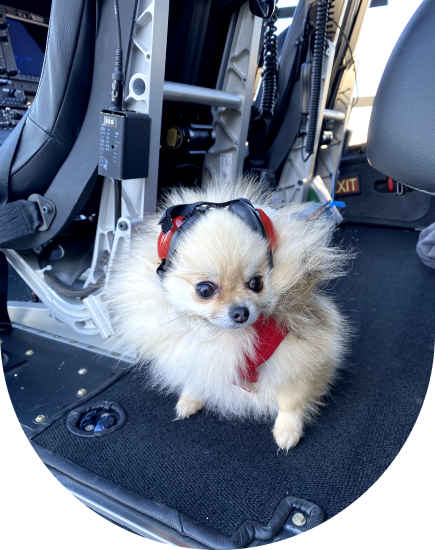
It’s wonderful that Mimoza enjoys traveling and that I have found it comfortable to travel with her on the plane. When traveling with a Pomeranian, it’s important to plan and prepare in advance to ensure a smooth and hassle-free trip.

Here are some things to take into consideration when traveling with your Pomeranian on a plane:

  • Check airline requirements: As we mentioned, it’s crucial to contact the airline you’ll be flying with to understand their specific requirements and policies for traveling with pets. Each airline may have different rules regarding pet travel, including carrier size, documentation, and any additional fees. Be sure to comply with their guidelines to avoid any issues during your journey.
  • Choose an appropriate carrier: Select a carrier that meets the airline’s size regulations for carry-on luggage. It’s recommended to choose a carrier that is well-ventilated, secure, and comfortable for your Pomeranian. Ensure that the carrier provides enough space for them to stand, turn around, and lie down comfortably.
  • Plan veterinary visits: Some countries require specific documentation or health checks for pets entering their borders. It’s essential to consult with your veterinarian to ensure your Pomeranian meets all the necessary health requirements for travel. This may involve obtaining a travel passport, updating vaccinations, and receiving a thorough check-up to ensure your dog is fit to fly.
  • Reserve your pet’s spot in advance: Airlines often have limited spaces available for pets in the cabin, so it’s advisable to reserve your Pomeranian’s spot as early as possible. Contact the airline directly to secure your pet’s place and to inform them of your intention to travel with a pet.
  • Prepare for security checks: When going through airport security, you will need to remove your Pomeranian from their carrier and carry them in your arms while the carrier goes through the X-ray machine. Ensure that your Pomeranian is comfortable and calm during this process.
  • Pack essentials: Pack all the necessary supplies for your Pomeranian’s comfort during the flight, such as food, water, treats, toys, and any medications they may need. Also, bring some absorbent pads or liners for the carrier in case of accidents.
  • Remember to follow any additional guidelines provided by the airline to ensure a smooth travel experience with your Pomeranian. By planning ahead, complying with regulations, and prioritizing your Pomeranian’s comfort and well-being, you can enjoy your travels together.

When traveling with your Pomeranian, it’s important to find accommodations that are pet-friendly and cater to the needs of both you and your furry friend.

Here are some tips for finding pet-friendly hotels:

  • Research pet-friendly hotels: Before making a reservation, research hotels that specifically advertise themselves as pet-friendly. Many hotels have designated pet policies, including allowing pets in certain rooms or areas of the hotel. Look for hotels that explicitly mention their pet-friendly amenities and policies on their website or when making a booking inquiry.
  • Check pet policies and fees: Read the hotel’s pet policy carefully to understand any restrictions or requirements they may have. Some hotels may have size or breed restrictions, limitations on the number of pets allowed per room, or specific rules regarding pet behavior. Additionally, inquire about any additional fees or deposits associated with bringing your pet.
  • Read reviews: Look for reviews or feedback from other pet owners who have stayed at the hotels you’re considering. Their experiences can provide insights into how pet-friendly the hotel truly is and how accommodating they are towards pets and their owners.
  • Amenities for pets: Find out what amenities the hotel offers for pets. Some pet-friendly hotels provide pet beds, bowls, treats, or even pet-sitting services. These additional amenities can enhance the comfort and convenience of your stay.
  • Plan ahead: Once you’ve selected a pet-friendly hotel, inform them in advance that you will be traveling with your Pomeranian. This allows them to make necessary arrangements and ensure a smooth check-in process.
  • Be a responsible pet owner: When staying at a pet-friendly hotel, it’s important to be a responsible pet owner. Keep your Pomeranian on a leash or in a carrier when in common areas, and clean up after them promptly. Respect the hotel’s rules and be considerate of other guests.
  • Remember, policies and amenities can vary between hotels, so it’s crucial to do your research and find a hotel that aligns with your needs and expectations. By choosing a pet-friendly hotel, you can enjoy a comfortable and enjoyable stay with your Pomeranian.

Prioritizing safety when transporting your dog in a car is a must.

Here are some guidelines to ensure a safe and comfortable journey for your Pomeranian:

  • Dog car seat or carrier: Using a specially designed dog car seat or carrier can provide a secure and comfortable space for your Pomeranian during car rides. These seats or carriers are typically secured to the car using the seat belt or other attachment mechanisms. Make sure the size of the seat or carrier is appropriate for your Pomeranian’s weight and size, allowing them to sit, lie down, and turn around comfortably.
  • Secure the seat or carrier: Ensure that the dog car seat or carrier is properly secured in the back seat or cargo area of your car. This helps prevent it from shifting or tipping during sudden stops or turns. Follow the manufacturer’s instructions for installation and use.
  • Leash and seat belt: Attach a leash to your Pomeranian’s harness and use a dog-specific seat belt or a seat belt attachment designed for dogs. This helps keep them securely in place within the car seat or carrier. Avoid attaching the leash directly to their collar, as this can pose a safety risk if sudden jerks or movements occur.
  • Avoid free-roaming in the car: It’s crucial to prevent your Pomeranian from free-roaming in the car, as this can be dangerous and distracting for both you and your dog. Unrestrained movement can also increase the risk of injury during sudden stops or accidents.
  • Temperature and ventilation: Ensure that the car is appropriately ventilated and maintained at a comfortable temperature for your Pomeranian. Avoid leaving them unattended in a parked car, especially in extreme weather conditions, as temperatures can quickly become dangerous.
  • Always prioritize safety and make adjustments based on your specific dog’s needs and behavior. Additionally, consider gradually acclimating your Pomeranian to car rides, starting with short trips and gradually increasing the duration to help them become more comfortable and at ease during travel.

By following these guidelines and ensuring your Pomeranian is safely secured during car transportation, you can provide them with a secure and enjoyable travel experience.

Pomeranians are known to be loyal companions who often follow their owners closely. Their strong attachment can bring a lot of joy and fulfillment to your life. However, it’s important to be mindful of their small size and presence when you move around.

Here are a few things to consider to ensure the safety of your Pomeranian:

  • Be aware of their presence: Pomeranians are small and can easily go unnoticed, especially when you’re in a hurry or not paying close attention. Take care to be aware of their presence, especially when walking around the house or moving quickly. Look down and make sure you don’t accidentally step on or trip over them.
  • Walk slowly and mindfully: As you mentioned, learning to walk slowly can be important when you have a Pomeranian. Take deliberate steps and be cautious of where your dog is positioned, especially if they tend to stay close to your feet. Slow, deliberate movements can help prevent accidental injury.
  • Create a safe environment: Ensure that your living space is safe for your Pomeranian to navigate. Keep walkways clear of clutter or items that could pose a tripping hazard. Secure any loose wires or cords that your dog might get tangled in. By creating a safe environment, you minimize the risk of accidents.
  • Use visual and verbal cues: Establish visual and verbal cues to indicate your movements to your Pomeranian. For example, you can use a hand signal or say “watch out” before you change direction or stand up. Consistently using these cues will help your Pomeranian understand and anticipate your movements, reducing the chance of accidental collisions.
  • Provide proper training: Training your Pomeranian to respond to commands such as “stay” or “move aside” can be helpful in situations where you need them to stay clear or give you space. Basic obedience training can provide the foundation for a well-behaved and responsive companion.
  • By being mindful of your Pomeranian’s presence, taking things slow, and providing appropriate training, you can ensure a safe and enjoyable companionship with your little one. Enjoy the special bond that comes with having a loyal and devoted Pomeranian by your side!

When you want to dine out with your Pomeranian, it’s important to find pet-friendly restaurants that allow dogs.

Here are some tips to ensure a pleasant dining experience for both you and your furry friend:

  • Research pet-friendly restaurants: Before heading out, research and find restaurants in your area that specifically advertise themselves as pet-friendly. Look for restaurants that have outdoor seating areas where dogs are allowed. Many establishments will mention their pet-friendly policies on their website or display signage indicating that dogs are welcome.
  • Call ahead: It’s a good idea to call the restaurant in advance to confirm their pet-friendly status and any specific guidelines they may have. This gives you an opportunity to ask about their outdoor seating arrangements, whether they provide water bowls or treats for dogs, and any other relevant information.
  • Leash and control: When visiting a pet-friendly restaurant, always keep your Pomeranian on a leash and under control. This ensures their safety as well as the comfort of other patrons. Make sure your Pomeranian is well-behaved and not causing any disturbances.
  • Bring essentials: Carry essentials for your Pomeranian, such as a water bowl, some treats, and waste bags. It’s important to clean up after your dog and be considerate of the restaurant’s cleanliness and other guests.
  • Be mindful of others: Remember that not everyone may be comfortable around dogs or have allergies. Keep your Pomeranian close to your table and away from other patrons unless they indicate that they are comfortable interacting with dogs. Respect any requests from the restaurant or other guests regarding the presence of your dog.
  • Practice good behavior: Ensure that your Pomeranian is well-behaved during the dining experience. This includes not begging for food, not jumping on tables or chairs, and remaining calm and quiet. Bringing some toys or distractions for your dog can help keep them occupied while you enjoy your meal.
  • By following these guidelines and being respectful of the restaurant’s policies and other patrons, you can have an enjoyable dining experience with your Pomeranian at pet-friendly restaurants. Always remember to prioritize your dog’s comfort and well-being while considering the needs of others around you.

The main difference between a service dog and an emotional support animal (ESA) lies in their legal rights, training, and the specific roles they play for individuals with disabilities.

Here are some key distinctions:

Service Dog:

  • Legal Rights: Service dogs are protected by the Americans with Disabilities Act (ADA) in the United States. They are allowed access to public places, including restaurants, stores, and transportation, and are not subject to pet-related restrictions or fees.
  • Disability Assistance: Service dogs are specifically trained to perform tasks that mitigate the effects of a person’s disability. They are individually trained to perform tasks such as guiding individuals with visual impairments, alerting individuals with hearing impairments to sounds, providing physical support for individuals with mobility impairments, and performing specific tasks to assist individuals with medical conditions.
  • Training: Service dogs undergo extensive training to perform their tasks reliably and obediently. They are trained to behave calmly and professionally in public settings, follow commands, and respond appropriately to their handler’s needs.
    Certification: Service dogs do not require official certification or documentation. Handlers may be asked to provide credible verbal assurance of their dog’s training and purpose, but they are not required to carry specific identification.

Emotional Support Animal (ESA):

  • Legal Rights: ESAs are not granted the same legal protections as service dogs under the ADA. However, they are protected by the Fair Housing Act (FHA) in housing situations and the Air Carrier Access Act (ACAA) for air travel, allowing them to reside in housing that may have pet restrictions and accompany their owners on flights.
  • Emotional Support: ESAs provide emotional support, comfort, and companionship to individuals with mental health conditions or emotional disorders. They do not undergo specific task training like service dogs but are chosen for their ability to provide therapeutic benefits through their presence.
  • Prescription and Documentation: To qualify for an ESA, individuals must have a valid prescription or recommendation letter from a licensed mental health professional. This documentation is typically required by housing providers and airlines to establish the need for an ESA.
  • Training: While training is not mandatory for ESAs, they should still exhibit good manners and behave appropriately in public. Basic obedience training and socialization are recommended to ensure they are well-behaved and do not cause disruptions in public spaces.

It’s important to note that these distinctions may vary depending on the laws and regulations of different countries. It is always advisable to familiarize yourself with the specific regulations in your location to understand the rights and responsibilities associated with service dogs and emotional support animals.

SUN HEAT

When it comes to sun heat and your puppy, it’s important to take certain precautions to ensure their well-being.

To protect your puppy from the sun’s heat:

  • Keep them in the shade: Provide a cool and shaded area for your puppy to rest. This will help them avoid direct sunlight and keep them cooler.
  • Provide fresh water: Make sure your puppy has access to clean and fresh water at all times. In hot weather, they may need to drink more frequently, so keep an eye on their water bowl and refill it regularly.
  • Avoid excessive exercise: Limit your puppy’s physical activity during the hottest parts of the day. Engage in play and exercise sessions during cooler times, such as early morning or late evening.

BURNED BEANS

To protect your puppies toes beans from getting burnt:

  • Check the walking surface: Before taking your Pomeranian for a walk, touch the ground with the back of your hand. If it feels too hot for you, it’s likely too hot for your dog as well. Choose shaded routes or walk on grassy areas, as they tend to be cooler.
  • Use protective booties: Consider using dog booties to protect your Pomeranian’s paws from hot surfaces. These can provide a barrier between their feet and the hot pavement.
  • Observe your dog’s behavior: Watch for signs of discomfort or pain while walking, such as limping or attempting to lift their paws off the ground. If you notice any signs of burn or discomfort, it’s best to stop the walk and let their paws cool down.


Remember, it’s important to pay attention to your puppy’s needs and monitor them closely during hot weather. If you have any concerns about their health or well-being, it’s always a good idea to consult with a veterinarian.

Pomeranians can provide wonderful emotional support. However, it’s important to be aware of their tendencies towards excitement and anxiety. Teaching them self-control can be beneficial for their overall well-being.

Here are some tips for helping your Pomeranian develop self-control:

  • Set consistent boundaries: Establish clear rules and boundaries for your Pomeranian. This includes behaviours such as not jumping on people, waiting patiently for meals, and not demanding attention excessively. Consistency is key in reinforcing these boundaries.
  • Positive reinforcement training: Utilize positive reinforcement techniques to encourage and reward desired behaviours. When your Pomeranian demonstrates self-control, such as remaining calm in a stimulating situation, provide verbal praise, treats, or playtime as a reward. This helps reinforce the behavior and motivates them to continue practicing self-control.
  • Gradual exposure to stimuli: If your Pomeranian tends to become overly excited or anxious in certain situations, such as meeting new people or encountering other dogs, gradually expose them to these stimuli in controlled and positive ways. Start with less overwhelming scenarios and gradually increase the intensity as they become more comfortable and exhibit self-control.
  • Mental stimulation: Engage your Pomeranian in mentally stimulating activities, such as puzzle toys, obedience training, or interactive games. These activities help redirect their energy and provide an outlet for their natural curiosity and intelligence. Mental stimulation can also help reduce anxiety and promote focus and self-control.
  • Calm and structured environment: Create a calm and structured environment at home. Establish a routine for feeding, exercise, playtime, and rest, as this can help reduce anxiety and provide a sense of security for your Pomeranian. Minimize chaotic or high-stress situations whenever possible.
  • Remember, each Pomeranian is unique, so it’s essential to observe and understand your dog’s specific needs and triggers. If you’re struggling with training or your Pomeranian’s anxiety levels, consider consulting with a professional dog trainer or a veterinary behaviourist who can provide personalized guidance and support.